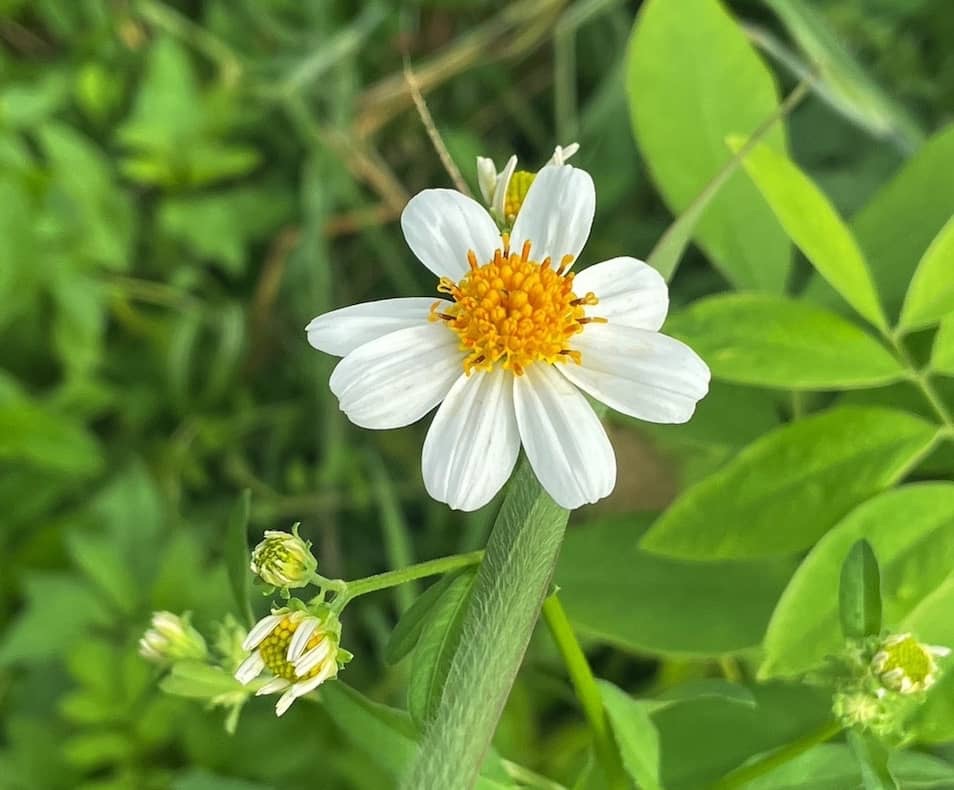
Cobblers Pegs (Bidens pilosa) is also known as Farmers Friend.
We discuss how to control this common weed by cultural and chemical means.
Sports Turf Consultant | Independent turf agronomist | NSW
Sports turf consultant and turf agronomy
Cobblers Pegs (Bidens pilosa) is also known as Farmers Friend.
We discuss how to control this common weed by cultural and chemical means.
We discuss the impact of these smallest of soil particles on water infiltration and sports ground playability.
We then discuss how to avoid issues and simple tests to determine if problems with fines exist.
Read on for more information on how this could be affecting your playing surface.

A must get sports turf management and lawn weed management guide for all professional turf managers. Covers registered turf pesticides (branded and generic pesticides) in australia.
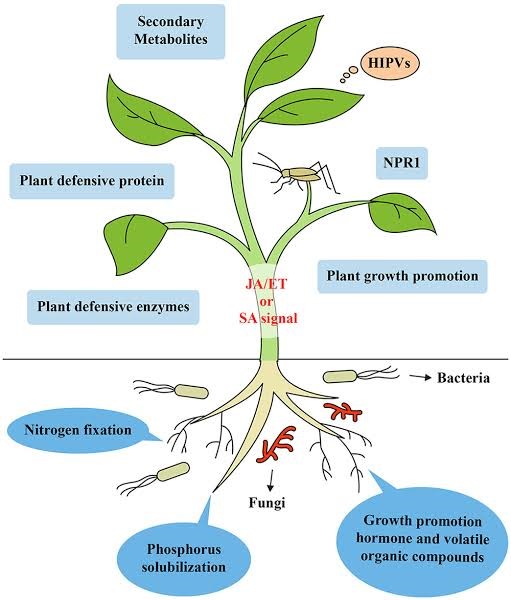
In reality the use of salicylic acid for plants has several benefits. In 1933, salicylic acid (SA) was first proposed to develop acquired immunity after disease infection. However, most of our knowledge about plant immune signalling has mainly been recent after it was found that salicylic acid (SA) is defence signal derived from within the plant. So what is this novel plant biostimulant?
SA show that it affects several plant processes.
Foliar applications of SA affect several aspects of plant growth and development1 2 3.
For instance, it affects:
Systemic Acquired Resistance (SAR) is a long-lasting and broad-spectrum defence mechanism that occurs when a pathogen infects turfgrass. Consequently, after infection, the pathogen triggers the salicylic acid pathway. Next, This induces defence response genes in the plant and then results in PR protein production.
Above all, salicylic acid plays a beneficial role in turfgrass management as it is a plant hormone that helps regulate various physiological processes in plants, including turfgrass.
Here are a few key roles of salicylic acid in turfgrass:
In short, this occurs as a result of salicylic acid boosting the plant’s immune system. It enhances the plant’s resistance to several diseases, in particular fungi or bacteria. It activates defence mechanisms within the plant, making it less susceptible to infections. For example, foliar applications of salicylic acid cause systemic acquired resistance (SAR) in plants, and provide protection against various biotic stresses.4
Salicylic acid enhances turfgrass resistance against turfgrass diseases such as dollar spot (caused by Sclerotinia homoeocarpa) and brown patch (caused by Rhizoctonia solani). It activates defence responses within the plant, including the production of antimicrobial compounds and reinforcement of cell walls, consequently, making it more difficult for fungi to infect the turfgrass.
In fact, It has been shown to be effective against grey leaf spot on turf type perennial ryegrass, giving a significant decrease in disease5.
Salicylic acid also helps turfgrass combat bacterial diseases like bacterial wilt (Ralstonia solanacearum) and bacterial leaf blight (Xanthomonas spp.). A series of growth chamber studies pre-treating plants with SA reduces disease symptoms of bacterial wilt in both creeping bentgrass ‘Penn-A4’ and ‘Tyee’.
SA application reduced disease in both cultivars under both optimal and high temperature treatments. Moreover, at both 23 °C and 35 °C, disease severity in plants with SA was less than in control plants.6
To sum up, it achieves this by stimulating the plant’s immune system to produce defence-related proteins, enzymes, and chemicals that can inhibit bacterial growth and limit disease progression.
While salicylic acid doesn’t directly target viruses, it can indirectly enhance turfgrass resistance to them. By activating systemic acquired resistance (SAR), salicylic acid helps the plant produce antiviral proteins that hinder the spread and replication of viruses.
Salicylic acid increases turfgrass resistance against nematode infestations. Nematodes are microscopic worms that can damage turfgrass roots, leading to stunted growth and decline. Salicylic acid induces defence mechanisms in the plant, such as the release of nematode-repellent chemicals, which deter nematode feeding7 8
Research has even shown it repels certain insects such as thrips9, caterpillars10, and indirect effects on mite mortality11.12
Turfgrass often faces environmental stressors, such as drought, heat, or cold. Salicylic acid helps the plant cope with these stresses by regulating various stress-responsive genes and biochemical pathways. It improves the resilience of turfgrass, therefore allowing it to withstand adverse conditions more effectively.
Salicylic acid influences the growth and development of turfgrass. It promotes root growth, leading to a healthier and more robust root system. Additionally, it can regulate shoot growth, helping to maintain a balanced growth pattern and overall turf quality.
Finally, salicylic acid also enhances photosynthesis, which is crucial for the production of energy and the maintenance of turfgrass health. It can increase chlorophyll content, leading to greener and more vibrant turf.

The role of salicylic acid content by certain abiotic and biotic factors13 (credits: Rossi et al. 2023; DOI: 10.1016/j.tibs.2023.05.004).
Cool-season turf is highly susceptible to temperature extremes and as a result, this can have major impacts on growth. Significantly, research shows that salicylic acid increases heat tolerance on both kentucky bluegrass and tall fescue, and increases turfgrass quality.14
In a 2019 growth chamber study15, salicylic acid at 3.5g/L mM, 7g/L, and 1.4g/L plus pigment improved the colour of creeping bentgrass under heat and mild drought stress at 42 and 56 d after initial treatment.
Vertmax Duo turf pigment is the only product on the market containing 200g/L of salicylic acid. This means that one application gives an immediate colour response together with all the potential benefits listed above. It is also the only product on the market that contains adjuvants and stickers to help longevity and uptake.
In summary, given these points, please feel free to check out more information on Vertmax Duo or contact us directly. To put it another way, why prevent your playing surface from being at its best?
I love off the cuff marketing statements such as “the turf management
practice that does most damage to soil microbes, is synthetic fertilisation”.
When it’s taken into account that statements such as these are often made by companies that are promoting their own range of biologically enhanced fertilisers in direct competition to these “bad boys” one does tend to be a touch cynical. These same companies also conveniently fail to mention the
impact of fungicides that they supply on soil microbial populations. But why let that get in the way of a good story!
A USGA spec golf green for example, is not a natural environment and in reality it can be best described as a hydroponic medium which supports turfgrass roots. The key aim, of growing grass whilst maintaining a freely
draining rooting medium and a firm surface, hardly mimics the requirements of for example a cereal farmer.
As a result of this, it’s a fair call to say that the demands on a sports surface differ significantly. The requirements for pesticides and other inputs can vary dramatically compared to a production system. Whilst a
farmer might use manure on a paddock this approach isn’t generally recommended on a golf green and how many farmers spray weekly as part of a management program?
If you are intending to go down the pathway of reducing synthetic inputs it can only be an all or nothing approach. You can’t simply stop using synthetic fertilisers and switch to biological inputs and expect the same results if you carry on with your usual practices such as fungicide applications.
There’s a good chance that any fungicide applied will kill the microbial “goodies” such as VAM or trichoderma you are trying to encourage. Sort of defeats the purpose really.
There appears to have been very little work done on using biological products in intensively managed turf situations, with the majority of trial work tends to have been carried out in isolation of other inputs which is hardly a realistic scenario. Factors such as irrigation regime, pesticide inputs and even wear are seldom taken into consideration, when in reality we all know these can play a dramatic role on how a surface performs.
With the drive to reduce inputs many golf course superintendents are for example using annual N levels of less than 1kg/100m2 already which hardly constitutes massive amounts of fertiliser in anyones book.
In the case of pesticide use, fungicides dominate. For example triazole fungicides including propiconazole, tebuconazole, tetraconazole, triadimenol, triadimefon, and triticonazole show toxicity to a wide range of
non target organisms. I would be intrigued to know how many turf managers go down the biological route but continue to use these as they are cheap with no thought to their impacts on the biologicals they are trying to promote?

Nitrification and urease inhibited
No residue
Highly soluble
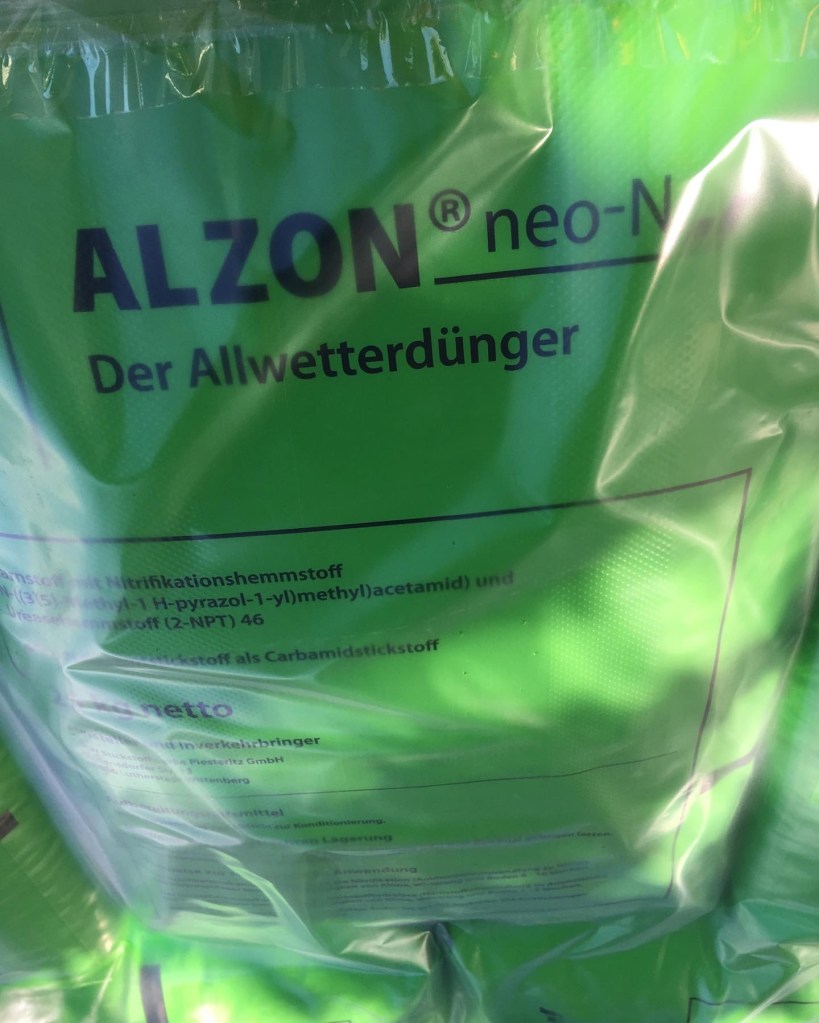

Happy to see some Venues in Australia are keen to reduce their environmental footprint whilst achieving better turf growth.
Bit of independent research into foliar root stimulants. First part of a two stage trial. Bottom line is some manufacturers claims leave a lot to be desired!


 Sports Turf Consultant | Independent turf agronomist | NSW